PCB Surface Finish Comparison and Selection Guide
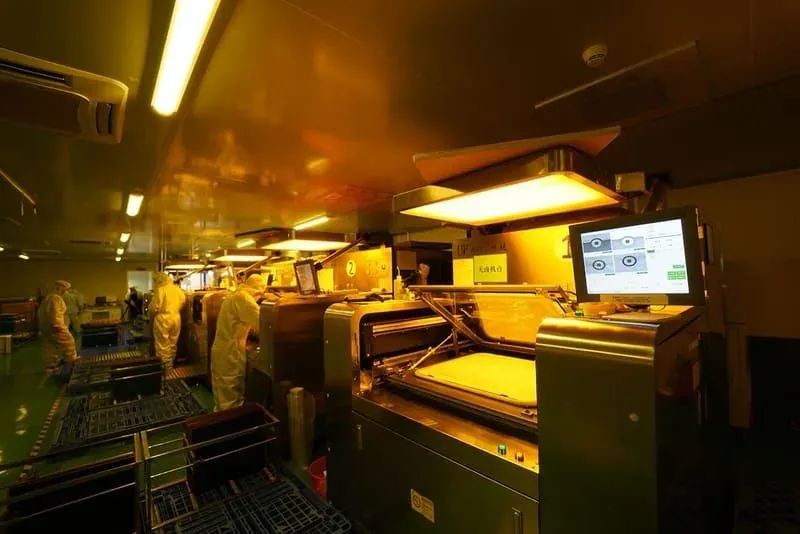
Overview of PCB Surface Finish
Surface finish is the final critical process in PCB manufacturing, protecting exposed copper from oxidation while providing a reliable soldering interface. Different finishes have distinct advantages in cost, solderability, shelf life, and flatness.
Major Surface Finish Comparison
HASL (Hot Air Solder Leveling)
The most traditional surface finish, immersing PCB in molten solder and leveling with hot air knives.
Advantages:
- Lowest cost, mature process
- Excellent solderability
- Long shelf life (12+ months)
Disadvantages:
- Poor flatness, unsuitable for fine-pitch (<0.5mm)
- Thermal shock may cause warpage
- Leaded version non-RoHS compliant
ENIG (Electroless Nickel Immersion Gold)
Consists of nickel (3-5μm) and gold (0.05-0.1μm) layers.
Advantages:
- Extremely flat surface for fine-pitch BGA/QFP
- Long shelf life (12+ months)
- Suitable for keypads and gold fingers
- Multiple reflow compatible
Disadvantages:
- Higher cost (2-3x HASL)
- Black pad risk
- Nickel may affect HF performance
OSP (Organic Solderability Preservative)
Ultra-thin organic film (0.2-0.5μm) on copper.
Advantages:
- Low cost, excellent flatness
- No HF signal impact
- Environmentally friendly
Disadvantages:
- Short shelf life (6 months)
- Limited reflow cycles (max 2)
- Poor ICT probe contact
Immersion Silver
Thin silver layer (0.1-0.4μm) on copper.
Advantages:
- Good flatness and solderability
- Best HF performance (highest conductivity)
Disadvantages:
- Prone to tarnishing
- Requires controlled storage
Immersion Tin
Pure tin layer (~1μm) on copper.
Advantages:
- Flat surface, good solderability
- Ideal for press-fit connectors
Disadvantages:
- Short shelf life, tin whisker risk
Comparison Table
| Parameter | HASL | ENIG | OSP | Imm.Ag | Imm.Sn |
|---|---|---|---|---|---|
| Cost | Low | High | Low | Med | Med |
| Flatness | Poor | Excel | Excel | Excel | Excel |
| Solderability | Excel | Good | Good | Excel | Good |
| Shelf Life | Long | Long | Short | Med | Short |
| Fine Pitch | Poor | Excel | Excel | Excel | Excel |
| Multi-Reflow | Yes | Yes | Limited | Limited | Limited |
| HF Performance | Good | Good | Excel | Excel | Good |
Selection Guide
By Application
- Consumer Electronics: OSP or ENIG
- Telecom: ENIG or Immersion Silver
- Automotive: ENIG
- Industrial: HASL or ENIG
- LED: Immersion Silver or OSP
- RF/High-Freq: Immersion Silver or OSP
By Technical Requirement
- BGA pitch <0.5mm → ENIG/OSP/Imm.Ag
- Multiple reflow → ENIG/HASL
- High frequency (>10GHz) → OSP/Imm.Ag
- Keypad/Contact → ENIG
- Press-fit → Imm.Sn
Emerging Technologies
ENEPIG
Adds palladium layer to ENIG, solving black pad issue while supporting both wire bonding and soldering.
Nano Coatings
New nano-scale organic coatings combining OSP flatness with ENIG shelf life.
Conclusion
Surface finish selection requires balancing application, soldering process, cost, and reliability. PCB168 offers all major surface finishes and can recommend the optimal solution for your specific needs.
Need PCBs for Your Project?
Get an instant quote — prototypes from $2, delivered worldwide.
Get Instant Quote