Flex PCB Application Scenarios and Design Guide
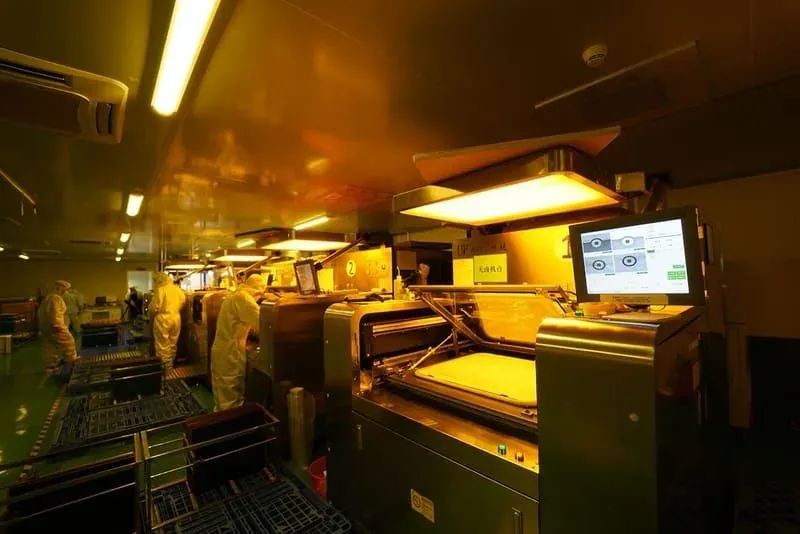
Overview of Flexible PCB
Flexible PCB (FPC - Flexible Printed Circuit) is manufactured on flexible substrates (typically polyimide/PI film), featuring bendability, foldability, and thin-lightweight characteristics. As electronic products trend toward thinner form factors and wearable designs, FPC applications are expanding rapidly.
The global FPC market is projected to reach $18 billion by 2026, with a CAGR of approximately 10%. China is the world's largest FPC production and consumption market, accounting for over 45% of global capacity.
FPC Classification
By Layer Count
- Single-layer FPC: One conductor layer, simplest and lowest cost
- Double-layer FPC: Two conductor layers interconnected by vias
- Multi-layer FPC: Three or more conductor layers for complex circuits
- Rigid-Flex: Combination of rigid and flexible boards
By Application Type
- Static Bend: Maintains fixed bent position after installation
- Dynamic Bend: Requires repeated flexing during use (e.g., flip phone hinges)
- Flex-to-install: Bent during installation, remains static afterward
Core FPC Materials
Base Materials
| Material | Properties | Application |
|---|---|---|
| Polyimide (PI) | Heat resistant, flexible | Mainstream FPC substrate |
| Polyester (PET) | Low cost, chemical resistant | Low-end consumer electronics |
| LCP | Low dielectric loss, low moisture | High-frequency FPC |
| Modified PI (MPI) | Between PI and LCP | 5G antennas |
Cover Layers
- Coverlay: PI film + adhesive, most common FPC protection
- Photo Coverlay: Photo-imageable for fine openings
- Flexible Solder Mask: Screen-printed, lower cost but less flexible
FPC Design Guidelines
Bend Area Design
The bend area is the core of FPC design requiring special attention:
- Trace Direction: Traces should run perpendicular to the bend axis
- Trace Width: Widen traces in bend areas to distribute stress
- No Vias: Avoid placing vias in bend zones
- Copper Type: Use rolled annealed (RA) copper for dynamic bends
- Bend Radius: Minimum typically 6-10x board thickness
Minimum Bend Radius
| Bend Type | Minimum Radius |
|---|---|
| Single-layer static | Thickness × 6 |
| Double-layer static | Thickness × 12 |
| Single-layer dynamic | Thickness × 12-25 |
| Double-layer dynamic | Thickness × 25+ |
Stiffener Design
FPC requires stiffeners at connector and component areas:
- PI Stiffener: 0.1-0.3mm, general reinforcement
- Stainless Steel: High rigidity for connector areas
- FR4 Stiffener: Similar feel to rigid PCB
- Aluminum: Combined reinforcement and heat dissipation
Typical Applications
Smartphones
- Main board connection FPC
- Camera module FPC
- Display FPC (LCD/OLED)
- Fingerprint module FPC
- 5G antenna FPC (LCP/MPI)
Wearable Devices
- Smartwatches: Circular or irregular-shaped FPC
- TWS earbuds: Miniature FPC connecting modules
- Health monitoring patches: Ultra-thin body-conforming FPC
- AR/VR headsets: Rigid-flex connecting optical modules
Automotive Electronics
- Dashboard: Long-distance FPC replacing wire harnesses
- Vehicle cameras: High-temperature resistant FPC
- Battery management: Voltage sensing FPC
- LED headlights: Aluminum-based FPC with heat dissipation
Medical Devices
- Endoscopes: Ultra-fine FPC, diameter <2mm
- Hearing aids: Miniature multi-layer FPC
- Implantable devices: Biocompatible FPC
- Wearable monitors: Flexible sensor substrates
FPC Manufacturing Process
- Material cutting: PI substrate and copper foil
- Drilling/laser: Via holes and coverlay openings
- Plating: Via metallization and surface plating
- Pattern transfer: Exposure and development
- Etching: Remove excess copper
- Coverlay lamination: Protect circuits
- Surface finish: ENIG, OSP, etc.
- Stiffener attachment
- Outline processing: Die-cutting or laser cutting
- Electrical testing: Open/short and impedance testing
FPC vs Rigid PCB
| Comparison | FPC | Rigid PCB |
|---|---|---|
| Thickness | 0.05-0.5mm | 0.4-3.2mm |
| Weight | 60-90% lighter | Standard |
| Flexibility | Bendable | Not bendable |
| Vibration resistance | Excellent | Average |
| 3D routing | Supported | Not supported |
| Cost | Higher | Lower |
Conclusion
Flexible PCB is a key enabling technology for electronic product miniaturization and innovative design. From smartphones to wearables, automotive to medical devices, FPC applications are ubiquitous.
PCB168 provides full-range flexible circuit board manufacturing from single-layer to multi-layer FPC and rigid-flex boards. Contact us for professional FPC design and manufacturing support.
Need PCBs for Your Project?
Get an instant quote — prototypes from $2, delivered worldwide.
Get Instant Quote